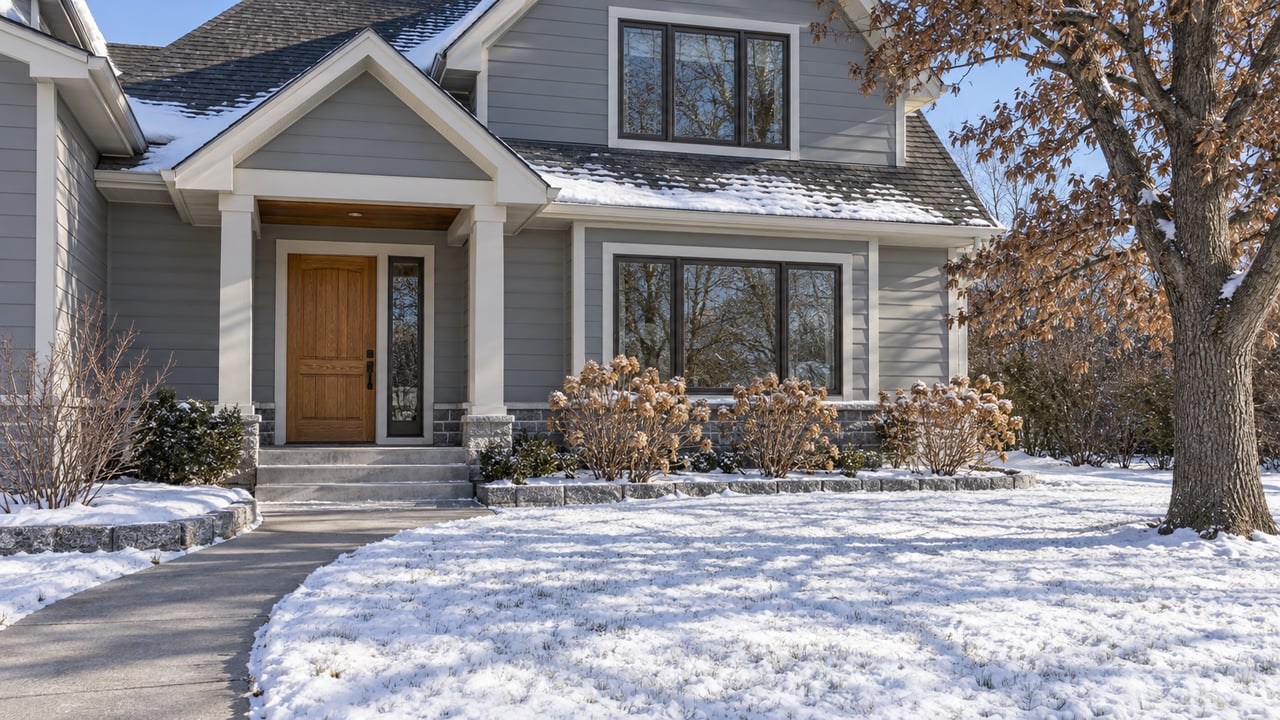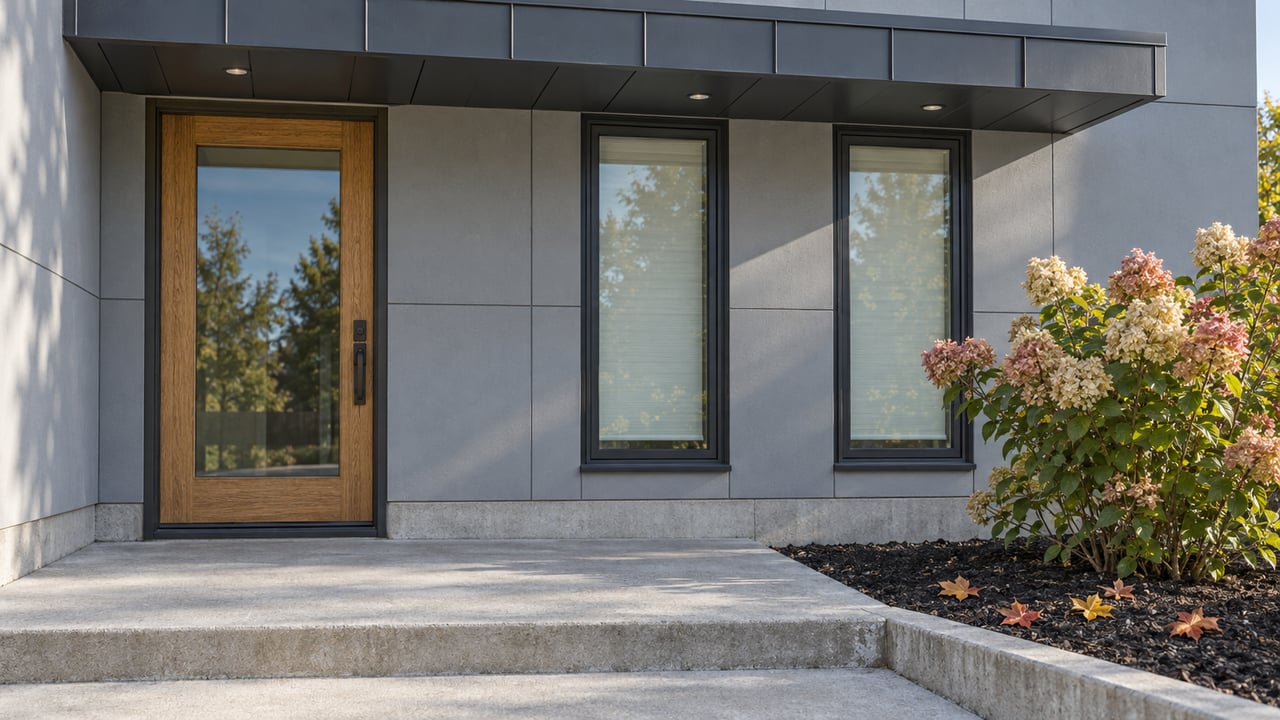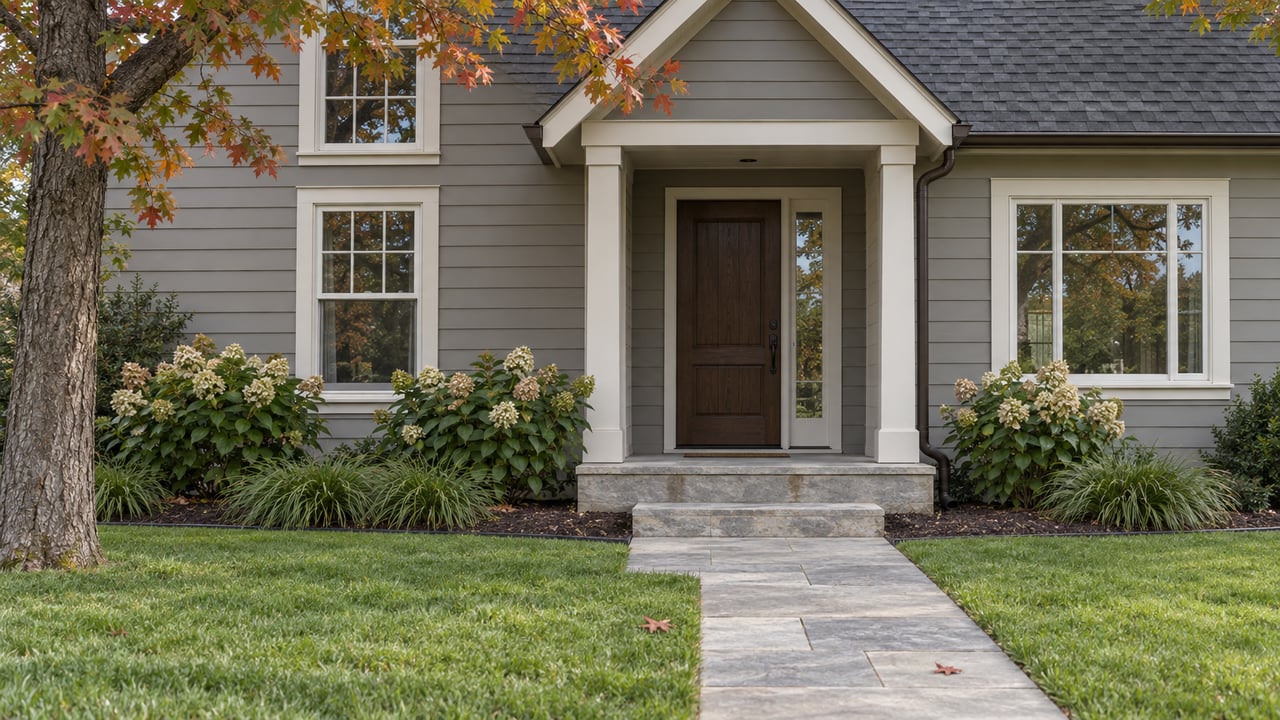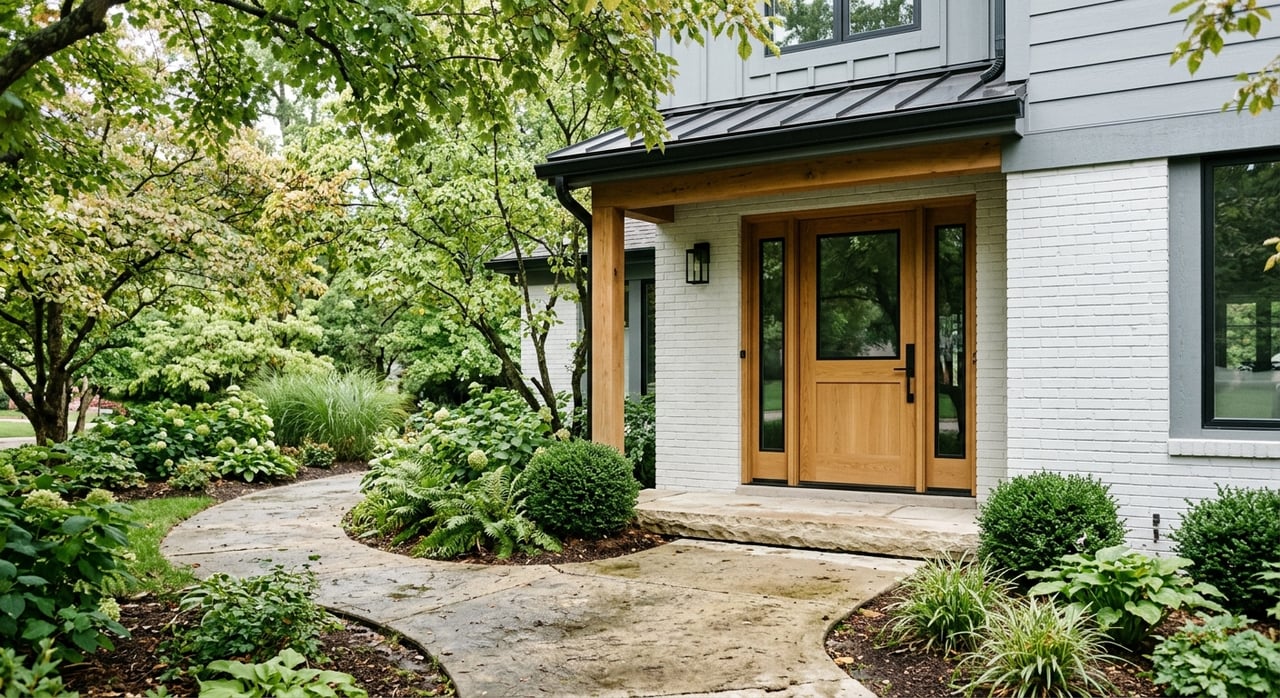
If you are trying to choose between new construction and an existing home in Minnetonka, the answer is not always as simple as newer equals better. In this market, your decision often comes down to timing, budget, customization, and where you want to live. When you understand how Minnetonka’s housing supply actually works, you can make a much more confident move. Let’s dive in.
Why this choice matters in Minnetonka
Minnetonka is a well-established community with 52,651 residents across 26.91 square miles, and it has a 71.6% owner-occupied rate according to U.S. Census QuickFacts. The same source reports a median household income of $119,517 and a median value of owner-occupied housing units of $475,800, which helps frame the local price point.
Current market activity also shows why buyers need a clear plan. A late-March 2026 Realtor.com market snapshot for Minnetonka showed 231 active listings, a median list price of $499,900, and 33 days on market. That suggests buyers have options, but not unlimited inventory.
The bigger factor is land supply. In the city’s 2040 housing chapter, Minnetonka describes itself as fully developed and short on vacant land, even as it projects growth to 61,500 residents and nearly 28,300 households by 2040. For you, that means resale homes are often easier to find than build-ready opportunities.
Existing homes in Minnetonka
If you shop the resale market in Minnetonka, you are mostly looking at an older and more established housing base. The city’s housing chapter says the local stock is primarily single-family detached homes (56%) and multifamily housing (31%), and only 5.5% of housing units were built from 2000 to 2015. Much of the single-family inventory was built between 1950 and 1970.
That age profile shapes what you can expect. Existing homes often offer mature trees, established streets, and neighborhood patterns that are hard to replicate in a newer build setting. They can also put you in a home faster because the property already exists and does not need to move through a permit and construction timeline.
There can be tradeoffs, though. The same city planning document notes that older homes may need updates to remain safe, accessible, energy efficient, and habitable. If you love the location but want modern finishes, you may need to budget for renovations after closing.
Benefits of an existing home
For many buyers, resale offers the most practical path in Minnetonka because it usually provides:
- Faster move-in timing
- More neighborhood choice
- Broader price variety
- Mature landscaping and established lots
- A clearer picture of the surrounding setting today
This can be especially helpful if you need to relocate on a shorter timeline or want to compare several homes in different parts of Minnetonka right away.
Tradeoffs to expect
An existing home may come with projects, even if the home is well cared for. Depending on the property, you may need to think about kitchens, baths, windows, mechanical systems, or layout changes. The city also notes that older homes tend to be among the more affordable ownership options in Minnetonka, which can create a useful tradeoff if you are open to updates over time.
New construction in Minnetonka
New construction appeals to buyers who want personalization, modern design, and less near-term repair risk. In theory, it lets you tailor finishes and sometimes floor plans to fit how you live. In practice, Minnetonka’s built-out land pattern makes this path more limited and more expensive than many buyers expect.
According to the city’s housing plan, there is little vacant or underdeveloped land left for new housing. The city’s 2026-2030 Economic Improvement Program also emphasizes housing, redevelopment, transit, and economic development, which supports the idea that future growth is likely to come more from redevelopment and infill than from large new subdivisions.
The numbers from the city’s 2024 annual report show just how selective the new-build market is. Minnetonka issued 33 permits for new detached single-household dwellings in 2024, with an average permit value of $987,078 and an average size of 5,415 square feet. The report also says two-thirds of those permits were for homes over $800,000 in construction valuation, and permit values do not include land.
That matters because the all-in cost of building is typically higher than the permit value alone suggests. If you are considering this route, you need to evaluate not just the house plan but the full site and approval costs too.
Benefits of new construction
When the right opportunity comes up, new construction can offer:
- Greater customization
- New materials and systems
- Lower near-term maintenance risk
- Modern layouts and finishes
- A fresh-start feel from day one
This path can be a strong fit if you have a flexible timeline, a higher budget, and a clear vision for what you want.
Challenges of the new-build path
In Minnetonka, the new construction process is not only about design. It is also about land availability, approvals, and timing. The city’s permit guidance states that projects may involve building, electrical, mechanical, plumbing, driveway, sewer and water, and site-development permits, and that review time depends on application completeness and current permit volume.
For you, that can mean a longer road to move-in. It can also mean more moving parts in your budget, especially when site work, grading, erosion control, driveway work, and utility connections are part of the project.
Side-by-side comparison
If you are weighing both options, this quick comparison can help:
| Factor | Existing Home | New Construction |
|---|---|---|
| Move-in timing | Usually faster | Usually longer |
| Customization | Limited unless you renovate | Higher |
| Lot availability | Broader selection | More limited |
| Neighborhood setting | More established | Often site-specific or infill |
| Upfront repair risk | Potentially higher | Often lower near term |
| Price flexibility | Generally broader | Typically higher all-in cost |
In Minnetonka, this often comes down to a simple local reality: resale tends to offer more immediate choice, while new construction tends to be a more specialized, higher-cost path.
Questions to ask before you decide
The right decision usually becomes clearer once you ask a few Minnetonka-specific questions.
What is your true move-in timeline?
If you need to move soon, resale is usually the easier path because the inventory is already built and available. New construction involves approvals, scheduling, and build time, and the city notes that permit review timing depends on workload and whether the application is complete.
How much customization do you really want?
Some buyers want a home that feels turnkey from day one. Others are happy to buy an older property in a strong setting and improve it over time. Being honest about how much change you want to manage can save you money and stress.
What is your all-in budget?
This is one of the biggest decision points. If you build, the budget needs to include more than the structure itself, including land, site work, grading, driveway work, and utility connections tied to the city’s permit process.
What kind of lot and setting do you want?
Minnetonka is known for its parks, trails, and open space. The community page from Minnetonka Public Schools notes five community parks, 44 neighborhood parks, more than 40 miles of trails, and more than 1,000 acres of public open space. Because the city is built out, lot character can vary a lot, and new-build opportunities may be more constrained than resale homes with mature landscaping.
What is the school district for the address?
This is an address-level detail worth verifying early. According to the Minnetonka Public Schools community information page, Minnetonka addresses may fall within the Minnetonka, Hopkins, or Wayzata school districts. If district boundaries matter to your search, confirm the exact assignment for each property.
Which option fits you best?
An existing home may be the better choice if you want more inventory, a faster purchase, and an established setting. It can also make sense if you are comfortable improving a home over time to match your preferred finish level.
New construction may be the better fit if you value customization, newer systems, and a more tailored design experience, and if you are prepared for a longer timeline and a higher all-in cost. In Minnetonka, that path is usually more selective because land is limited and recent detached-home production has been relatively small.
The best choice is the one that aligns with your timing, budget, and priorities, not just the one that sounds newer or easier on paper. If you want help comparing resale opportunities, build possibilities, or lot-specific tradeoffs in Minnetonka, connect with The DesMarais Team for a thoughtful, local conversation.
FAQs
What is the main difference between new construction and existing homes in Minnetonka?
- Existing homes usually offer faster move-in and more neighborhood choice, while new construction usually offers more customization but comes with fewer opportunities, a longer timeline, and a higher all-in cost.
Are new construction homes common in Minnetonka?
- New detached-home construction is relatively limited. The city reported 33 permits for new detached single-household dwellings in 2024, which reflects a smaller and more selective new-build market.
Are older homes in Minnetonka more likely to need updates?
- Yes. The city’s housing plan notes that many older homes may need updates for safety, accessibility, energy efficiency, and overall habitability.
Why is building a new home in Minnetonka often more expensive?
- Minnetonka is largely built out, with limited vacant land. New construction costs can also include land, site work, grading, driveway work, utility connections, and multiple permits beyond the house itself.
How can you verify the school district for a Minnetonka home address?
- Minnetonka addresses may be located in the Minnetonka, Hopkins, or Wayzata school districts, so you should confirm the district assignment for the specific property address before moving forward.