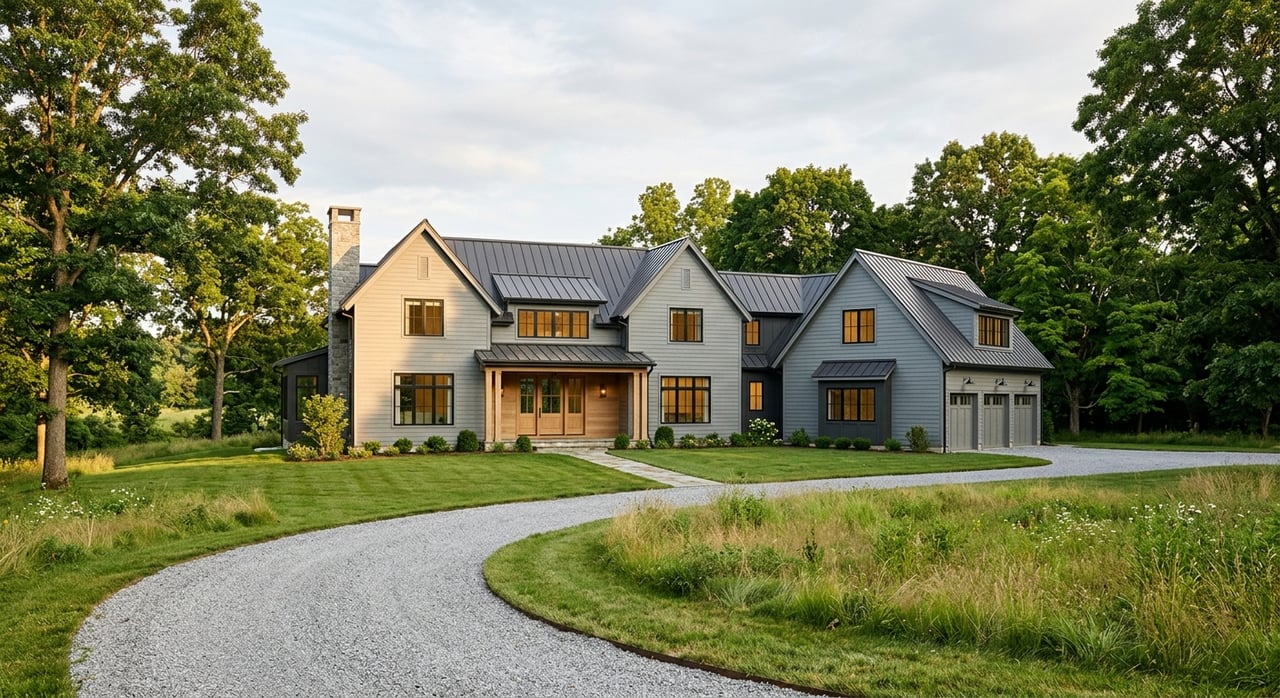
If you are dreaming about a custom home with room to spread out, Corcoran is one of the western Twin Cities locations that naturally stands out. Large parcels, rolling land, wooded areas, and a more rural feel can make acreage buying exciting, but they can also make the process more complex than buying a typical suburban lot. If you want to avoid costly surprises, it helps to know what to check before you write an offer. Let’s dive in.
Why Corcoran draws acreage buyers
Corcoran sits on the western edge of Hennepin County and is known for larger tracts of land, rural homesteads, farms, wetlands, and countryside settings. For buyers planning a future custom build, that mix can create real opportunity for privacy, flexibility, and a more tailored homesite.
At the same time, not every parcel works the way it looks on paper. Two lots with similar acreage can have very different build potential based on zoning, access, wetlands, frontage, or utility availability. That is why early due diligence matters so much in Corcoran.
Start with zoning and future land use
Before you think about house plans, start with the city’s land use tools. Corcoran’s Maps Hub includes future land use, zoning, development rights, infrastructure planning, and development updates, and the city’s interactive zoning map can help verify a specific address.
This step matters because acreage does not automatically mean build-ready. Corcoran’s recent project history shows that lot width, frontage, setbacks, wetlands, access, and planned-unit-development related rezoning can all affect whether a parcel can be built on as-is or whether additional approvals may be needed.
Why zoning is only the first step
A parcel may have a zoning designation today, but that does not always answer the full custom-home question. You also need to understand whether the lot is already legal and buildable in its current form, or whether a variance, rezoning, or platting process may be required.
Corcoran’s subdivision guide says subdivisions must be processed as a plat, with preliminary plat review, a public hearing, final plat approval, and recording at Hennepin County. If you are buying land with the idea of splitting it later or adjusting lot lines, that process can shape your timeline and budget.
Confirm whether the parcel is already platted
One of the most important acreage questions is simple: is the parcel already platted for the use you want? If the answer is no, your path to a future custom home may involve more steps than expected.
Hennepin County records plats as official scale maps showing land divisions. The county also notes that subdivision platting guidance should include a current title opinion, title insurance commitment, or similar ownership documentation naming owners and mortgage holders of record.
What platting issues can affect your build
In Corcoran, recent projects have involved frontage changes, utility easement vacations, wetland outlots, cul-de-sacs for access, and rezoning tied to minimum lot widths. In practical terms, that means the shape and legal setup of the property can directly affect how and where you build.
If you are evaluating acreage for a future home, ask early whether the lot boundaries, access, and legal description support your intended use right now. That is often much easier to sort out before an offer than after closing.
Check utility availability early
Utility questions can change the cost of a custom build fast. Corcoran states that city sewer and water are available only in select areas, including Ravinia, Bass Lake Crossing, Bass Lake Crossing South, and Bellwether.
Outside those areas, buyers should generally expect a rural build path until utility status is confirmed. That usually means your planning may need to account for private septic and a private well rather than municipal connections.
Rural utility planning in Corcoran
For rural new home construction, Corcoran requires construction plans, a survey and site plan, load calculations, energy code compliance documents, plus a septic design and soil report. The city also requires Hennepin County septic approval before a building permit is issued.
Corcoran further requires a certificate of survey for all new-construction building permit applications. If you are comparing acreage parcels, this is one reason a lot with existing documentation can be more straightforward than one with unanswered site questions.
Understand septic and well requirements
If city services are not available, septic and well planning become central to your decision. Hennepin County regulates septic systems in Corcoran, including permits, inspections, and compliance.
Corcoran also notes that it does not impose local septic sale or transfer requirements. Still, for a future custom build, the key issue is whether the site conditions and approvals will support the septic system you need.
Private well considerations
If a parcel has a private well, Minnesota health guidance says wells must be properly constructed and sealed. Private well owners are also advised to test drinking water regularly, with annual coliform and nitrate testing recommended.
From a buyer’s perspective, an existing well is not just a box to check. You want to know its status, location, condition, and whether the property records properly reflect it.
Review title, covenants, and easements
Acreage can come with more legal layers than a standard neighborhood lot. Hennepin County records deeds, plats, liens, and other real property documents, and the county recommends working with a professional familiar with title examination and property records.
This is where you look beyond the listing sheet and confirm what is actually recorded against the land. Restrictive covenants, utility easements, drainage easements, conservation limitations, and agricultural-preserve restrictions can all affect how you use the property.
Agricultural preserve can change your plans
If a parcel is in an agricultural preserve, state and city materials say the land is protected for agricultural use with restrictive covenants, tax benefits, and a minimum eight-year preservation term. That does not automatically mean the property will not work for you, but it can significantly affect timing and permitted use.
For buyers planning a custom home, this is the kind of issue you want identified well before you commit earnest money. It is much easier to make a smart decision when you know the restrictions upfront.
Well disclosure on recorded documents
Hennepin County says that if a property has a well, the deed generally needs a well disclosure certificate unless the deed states that the well status has not changed since the last recorded certificate. This is another reason title and closing document review matters on rural and semi-rural land purchases.
Small paperwork details can point to bigger questions about the property’s history and current condition. On acreage, those details are worth careful attention.
Study the lot itself, not just the acreage count
A five-acre parcel can be more usable than a ten-acre parcel if the site has better access, fewer wetland constraints, and a cleaner building envelope. In Corcoran, project examples show that wetlands, frontage, access design, and utility easements can materially affect lot layout and buildability.
That is why experienced acreage buyers focus on the usable homesite, not just the total number of acres. The map, survey, and site-specific conditions often tell a more complete story than the marketing remarks.
Physical features to evaluate
As you compare parcels, pay close attention to:
- Road frontage and legal access
- Wetlands or preserved outlots
- Easements for drainage or utilities
- Setback limitations
- Lot width and shape
- Existing survey and site documentation
- Soil conditions related to septic design
These factors can influence home placement, driveway design, outbuilding options, and overall project cost.
Build your due diligence team before you offer
Buying acreage for a future custom home usually requires more than a lender and a home inspector. Corcoran’s guidance points buyers toward zoning, building, and septic contacts, and the most useful team often includes a local broker with acreage experience, a title or abstract professional, a land surveyor, a civil engineer, a septic designer or soil evaluator, and a well contractor.
This kind of team approach helps you move from “I like this land” to “I understand what it will take to build here.” That clarity can save time, money, and frustration.
Key questions to ask before writing an offer
Use these questions to pressure-test a parcel:
- What is the current zoning?
- What is the future land-use designation?
- Is the parcel already platted?
- Will it need rezoning, a variance, or a new plat?
- Are city sewer and water available?
- If not, will the site need a private well and septic system?
- What easements, covenants, or agricultural-preserve restrictions are recorded?
- What survey, soil, septic, or utility documents already exist?
Clear answers to these questions can help you separate a strong long-term opportunity from a property that may be harder or more expensive to develop than expected.
Plan for timing and approvals
Even when a parcel looks promising, the approval process takes time. Corcoran’s permit FAQ says permits requiring plan review may take up to 15 working days, and land-disturbance escrows vary based on project size and complexity.
That does not include the time needed for surveys, soil work, septic design, or any zoning and plat-related review. If your goal is to buy now and build later, it helps to plan with a realistic timeline from the start.
Why local guidance matters in Corcoran
Corcoran acreage purchases ask you to think like both a buyer and a future builder. You are not just choosing a location. You are evaluating legal setup, infrastructure, design constraints, and approval pathways all at once.
That is where local market knowledge and construction fluency can make a real difference. When you understand the parcel before you buy it, you can move forward with much more confidence.
If you are considering acreage in Corcoran for a future custom home, the right guidance can help you ask better questions, compare land more clearly, and avoid surprises during the build-planning stage. Connect with The DesMarais Team for a valuation and consultation tailored to your goals.
FAQs
What should you check before buying acreage in Corcoran?
- Review zoning, future land use, plat status, access, wetlands, easements, utility availability, and whether private well and septic systems will be needed.
Are city sewer and water available on all acreage parcels in Corcoran?
- No. Corcoran says city sewer and water are available only in select areas, so many parcels may follow a rural build path unless utility status is confirmed.
Does a Corcoran acreage parcel always need to be platted?
- If land is being subdivided, Corcoran says the subdivision must be processed as a plat with preliminary review, public hearing, final approval, and recording at Hennepin County.
Who handles septic approval for new construction in Corcoran?
- Hennepin County regulates septic systems in Corcoran and must approve septic plans before the city issues a building permit for rural new home construction.
Can wetlands and easements affect where you build in Corcoran?
- Yes. Corcoran project history shows that wetlands, frontage, access, and utility easements can all affect lot layout, approvals, and buildability.