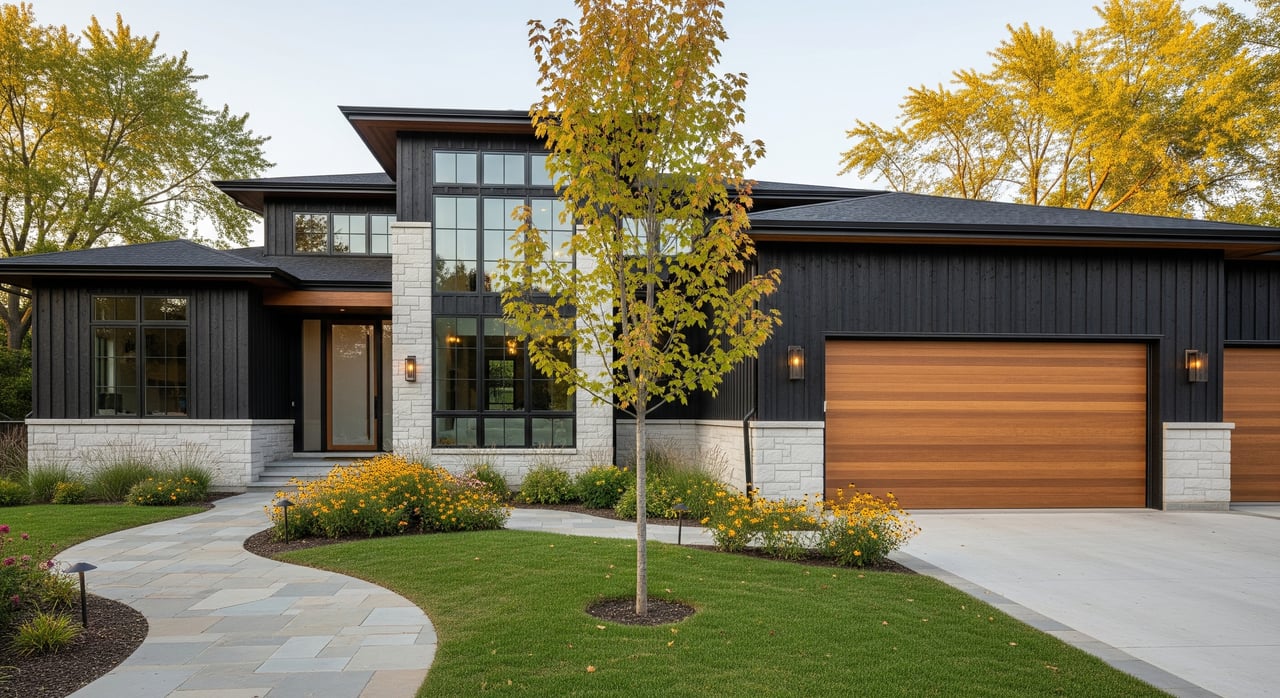
Thinking about building a new home in Maple Grove but unsure how long it will take? You are not alone. New construction can be smooth and predictable when you understand the steps and set realistic expectations. In this guide, you will learn what affects timing, how the process works from lot to move-in, and how to keep your build on track. Let’s dive in.
How long a new build takes in Maple Grove
Production and semi-custom timelines
Most buyers who choose a production builder on a platted lot with city utilities can expect about 6 to 9 months from groundbreaking to move-in once permits are issued. Semi-custom homes, which allow more plan changes and selections, often take 8 to 12 months after digging starts. Your timeline depends on plan complexity, approval speed, material lead times, and trade schedules.
Custom on acreage timelines
Custom homes on acreage or raw land in or near Maple Grove, especially those that need septic, well, driveway permits, or wetland review, typically take 9 to 18 months or more. The extra time often sits in the pre-construction phase for site feasibility, design, and approvals. If platting, variances, or environmental mitigation are required, add several months.
Weather and seasonality
Minnesota winters can slow sitework, excavation, and exterior stages. Many builders in Hennepin County target spring through fall for earthwork and foundation work. Plan for seasonal buffers in your schedule and budget for cold-weather methods when needed.
Before you buy a lot
Choosing the right lot is the fastest way to protect your timeline and budget.
Key checks
- Zoning and allowable uses for your intended plan.
- Utilities: city water and sewer vs. well and septic. Many subdivision lots in Maple Grove connect to city services. Acreage parcels may require private systems.
- Easements, rights-of-way, and setbacks that control buildable area.
- Soil tests and topography to guide septic feasibility, foundation design, and grading costs.
- Wetlands or shoreland that may require review, mitigation, or extra approvals.
- HOA covenants and architectural review rules, fees, and timing.
Who to contact
- City of Maple Grove planning, zoning, and building for zoning, submittal requirements, and utility availability.
- Hennepin County property records and mapping for legal descriptions and easements.
- Seller or developer for the plat, HOA documents, improvement agreements, and any builder restrictions.
- Minnesota Department of Health or county environmental health for septic and well requirements if the site is not on city services.
Timeline impact
A finished subdivision lot with utilities at the curb can reduce pre-construction to weeks or a few months. Raw acreage with septic, well, driveway permits, and potential wetland constraints can add months to more than a year before you can break ground.
Permits and approvals in Maple Grove
Typical approvals
- Building permit for the structure.
- Trade permits for electrical, plumbing, and mechanical work.
- Site, grading, and erosion control permits. If your project disturbs 1 acre or more, expect Construction Stormwater permit requirements and a Stormwater Pollution Prevention Plan.
- Water and sewer connection permits for serviced lots, or septic and well permits if private systems are needed.
- Driveway or right-of-way permits for curb cuts and access.
- Plat approvals if you are subdividing land. Variances or conditional use approvals if your plan does not meet current standards.
Review timing
For a single-family home, first-plan review comments often arrive within 2 to 6 weeks in many metro cities, with total permit time commonly ranging from 2 to 12 weeks depending on workload and completeness of plans. Plat approvals typically take 3 to 6 months and include public meetings and multiple steps. Complex sites, environmental review, or resubmittals will extend these windows.
Inspection cadence
Expect inspections for footings and foundation, waterproofing and drain tile, framing, insulation, and rough-ins for electrical, plumbing, and mechanical systems. Final trades and a final building inspection occur before a certificate of occupancy is issued.
Builder types, contracts, and selections
Builder options
- Production builders: use proven plans and standard option packages. Faster timelines and more predictable schedules.
- Semi-custom builders: base plans with more flex, moderate timeline.
- Custom builders: full design control, longer design and build timeline, more change orders.
Contract terms that affect time and cost
- Fixed-price vs. cost-plus contracts, with clear allowances and selection deadlines.
- Change-order process and pricing. Changes after framing or rough-ins can be costly and cause delays.
- Deposits and start triggers, such as completed plans, permit issuance, financing, or lot closing.
- Warranties. Many builders offer a common 1-2-10 structure for workmanship, systems, and structural, but terms vary. Get specifics in writing.
- Insurance and risk. Confirm builder coverage and whether you need a builder’s risk policy.
Selections and long-lead items
Production builders often give 2 to 4 weeks after contract to finalize selections. Custom projects may stage selections across design phases. Order windows, exterior doors, specialty appliances, cabinets, custom millwork, and certain HVAC equipment early to prevent schedule slips.
Step-by-step timeline and milestones
Production build on a serviced Maple Grove lot
- Contract and deposit: confirm plan, lot, pricing, and allowances. Secure loan approval or builder financing.
- Final plans and selections: typically days to a few weeks. Lock any long-lead items.
- Permit submittal and approval: often 2 to 12 weeks depending on season and completeness.
- Sitework and utilities: 2 to 4 weeks for grading, erosion control, and utility prep.
- Foundation: 1 to 4 weeks for excavation, footings, walls, and backfill.
- Framing and roof: 2 to 6 weeks. Followed by framing inspection.
- Rough-ins: 2 to 6 weeks for HVAC, plumbing, and electrical. Trade inspections occur in this stage.
- Insulation, drywall, and taping: 2 to 6 weeks.
- Interior finishes: 4 to 12 weeks for cabinets, tile, paint, trim, and flooring. Some steps overlap.
- Finals and occupancy: 1 to 4 weeks for final trades, punch list, and certificate of occupancy.
Custom home on acreage
- Site feasibility: soils and perc tests, wetland and setback checks, and preliminary site planning.
- Design and engineering: conceptual through permit-ready plans.
- Septic and well design and permits if not on city utilities.
- Platting, variances, or mitigation approvals if required.
- Permit submittal and approval.
- Private driveway permits and access planning.
- Construction phases follow the same sequence as above but add time for site prep and private utility work.
Inspections, utilities, and closing
Your builder usually schedules inspections and coordinates utility hookups. For many homes in Maple Grove, city water and sanitary sewer are available. Acreage parcels may need well and septic permitting and inspections. Plan for temporary power and water during construction and schedule meter sets and service activations before final inspections.
Municipal staff issue a certificate of occupancy when all inspections are complete and any outstanding items are resolved. Lenders often require the certificate of occupancy before converting a construction loan to a permanent mortgage. At close, review warranty materials, as-built drawings, and manuals, and confirm you understand service procedures.
Financing and risk management
Loan types and lender steps
- Construction-to-permanent loan: one closing, then converts to a standard mortgage at occupancy.
- Stand-alone construction loan: separate closings for construction and permanent financing.
- Preferred lender programs: may offer incentives, but compare terms.
Lenders may require a plans-and-specs appraisal before approval. During the build, they often order draw inspections and release funds according to a draw schedule tied to milestones.
Deposits and closing logistics
Deposits can be due at contract and before ordering certain selections. Sometimes you close on the lot first, other times the builder controls the lot until the home contract is executed. Coordinate title work, lien waivers, and final loan documents so closing and move-in align with the certificate of occupancy and utility activation.
Common delays and how to avoid them
- Permit backlog or plan revisions: hold a pre-application meeting for complex sites and submit complete plans.
- Weather: schedule exterior work for warmer months when possible and allow buffer time.
- Environmental review: confirm wetland and shoreland constraints early.
- Supply chain: order long-lead items as soon as selections are set.
- Scope changes: minimize change orders after framing and rough-ins.
- Labor coordination: choose experienced local builders with strong trade networks.
Keep a contingency budget of 5 to 10 percent or more and build schedule flexibility into your plan.
Quick checklists
Pre-contract lot review
- Confirm zoning and utility availability with city staff.
- Get the plat, HOA documents, easement maps, and any improvement agreements.
- Order soils or perc tests if septic is possible and for foundation design.
- Check wetlands or shoreland mapping and consult the city or county when flagged.
Pre-construction prep
- Finalize plans and all selections per the builder’s schedule.
- Confirm who submits permits and the expected review timeline.
- Secure construction financing and understand the draw schedule.
- Review warranty terms and get the process in writing.
Construction milestones
- Sitework underway with erosion control in place.
- Foundation poured and inspected.
- Framing complete and inspected.
- Rough-ins complete and trade inspections passed.
- Insulation and drywall complete.
- Finish trades complete, then finals and punch list.
- Certificate of occupancy issued and warranty packet received.
Closing readiness
- Certificate of occupancy and utility activation confirmed.
- Final lien waivers and deed or warranty documents recorded as required.
- Meter sets scheduled and accounts moved into your name.
- Warranty contacts and service request steps saved for easy access.
When you are ready to align lot selection, builder options, and a realistic timeline in Maple Grove, connect with a team that knows both the process and the local market. Reach out to The DesMarais Team for a personalized plan and referrals that fit your goals.
FAQs
How long does a new home take in Maple Grove from contract to move-in?
- Production builds often run 6 to 9 months after digging starts, semi-custom 8 to 12 months, and custom acreage 9 to 18 months or more depending on approvals and site complexity.
Who handles permits and inspections for Maple Grove new construction?
- The builder usually submits plans and pulls trade permits, coordinates inspections, and manages approvals, but confirm responsibilities in your contract.
What municipal approvals can add the most time in Hennepin County?
- Platting, variances, wetland or shoreland review, and stormwater requirements for larger sites commonly add months to the schedule.
Do I need a stormwater permit for my Maple Grove build?
- If your project disturbs 1 acre or more, plan on construction stormwater requirements and a Stormwater Pollution Prevention Plan as part of site and grading approvals.
What inspections are required before occupancy on a new Maple Grove home?
- Expect footings and foundation, framing, insulation, and rough-ins for electrical, plumbing, and mechanical, followed by final trade and building inspections for occupancy.
When does my mortgage close for a new construction home in Maple Grove?
- Many lenders require a certificate of occupancy before converting a construction loan to a permanent mortgage and scheduling the final closing.
What warranties do builders commonly provide on new homes in Minnesota?
- Many offer a limited warranty that often follows a 1-year workmanship, 2-year systems, and 10-year structural model, but coverage and start dates vary by builder and contract.