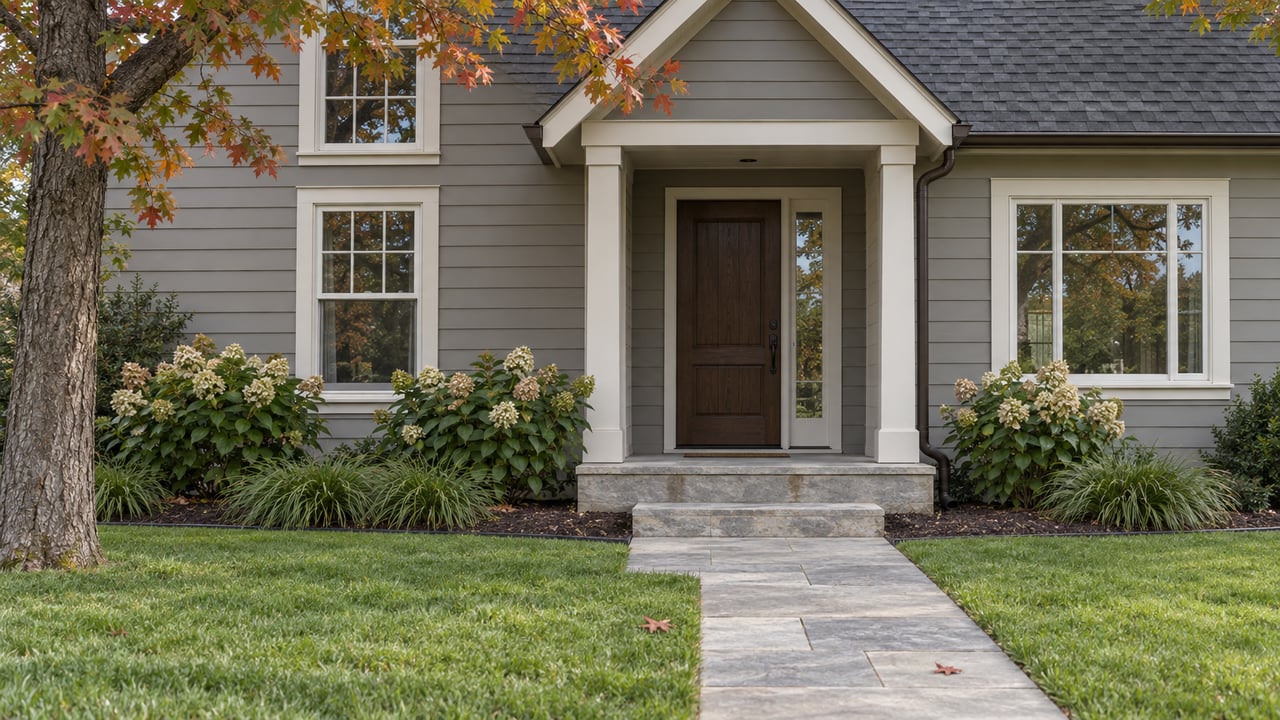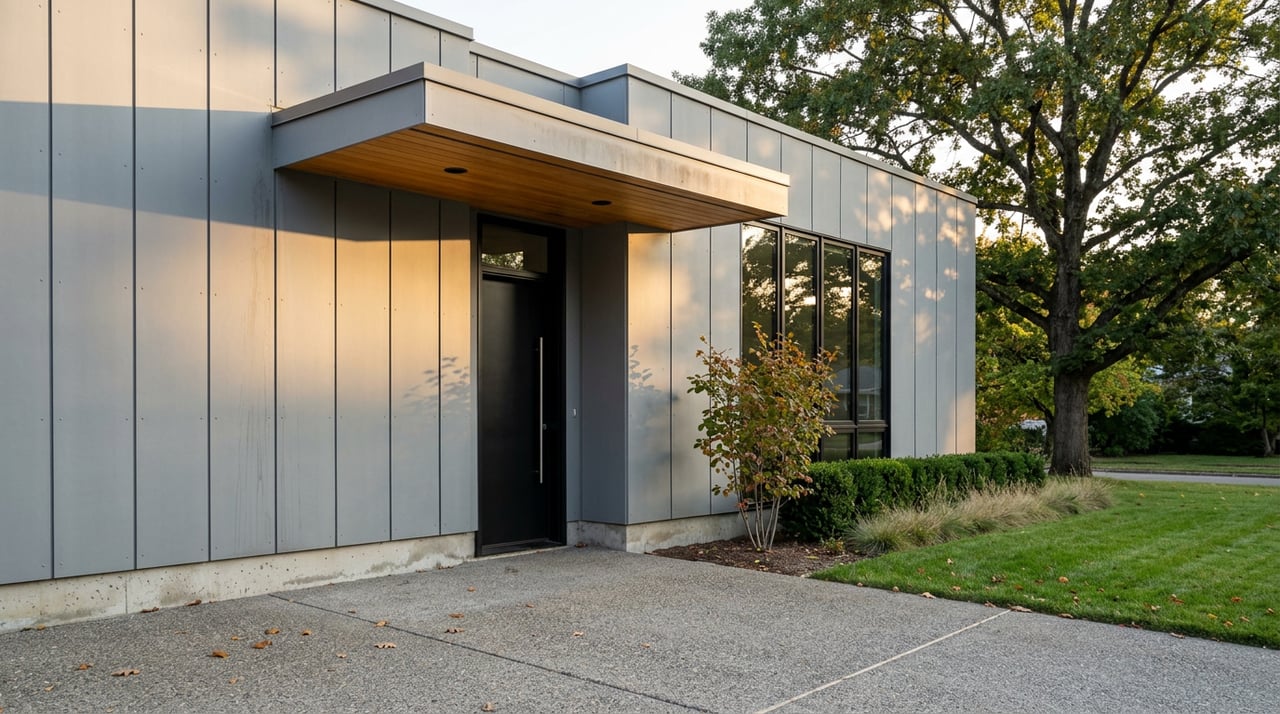
As the Star Tribune reported, in 2010, a couple made an offer on a 1926 Tudor on Arden Avenue in Edina's Country Club neighborhood, contingent on permission to tear it down. The city's Heritage Preservation Board said no. Five years of review followed: a whole-house remodel plan, a foundation inspection that found the structure unsafe, an agreed renovation scheme, even a City Council resolution spelling out exactly what would happen to the property. Neighbors believed the matter was settled. Then one day at the end of October, the house came down anyway, with no warning to the block.
The story matters to anyone shopping Edina today because that house sat inside a 14-block district where, according to the City of Edina, roughly 555 homes are protected by a National Register listing and a city Heritage Landmark overlay, which means the ordinary Edina teardown math simply does not apply. Inside Country Club, it is a multi-year negotiation with a preservation board, and even a signed agreement is not always the end of the story.
That contrast is the real story behind Edina's median price. The number itself is honest. It is also averaging two products that do not behave the same way, and knowing which one you are shopping changes your budget, your timeline, and what you should ask before you write an offer.
Two Numbers That Should Not Match, and Almost Do
As of August 2026, homes listed for sale across Edina carried a median price of $710,000, at roughly $277 per square foot. Over the trailing 12 months, the median sale price citywide came in at $695,000, up about 7% from the prior 12-month period. Those figures describe the whole city: a blend of untouched 1940s and 1950s Cape Cods and ramblers still sitting on their original foundations, alongside the small but growing share of lots that have already been rebuilt.
Here is where it gets interesting. Filter specifically for new construction in Edina and, as of late August 2026, the median listing price for that segment landed at $675,000 to $715,000, barely different from the citywide number. That should not be possible in a city where builders routinely quote seven-figure all-in budgets for a teardown-rebuild. It is possible because that filter mixes two very different products: smaller spec homes squeezed onto infill lots, and the custom estate-scale rebuilds that define neighborhoods like Indian Hills or Morningside.
A separate search focused specifically on Edina's custom new-construction inventory told a different story. In May 2026, that segment showed a median list price of $1,949,950, at an average of $479 per square foot, a figure that lines up with what local builders quote directly: construction alone commonly running $300 to $450 per square foot for custom work, with acquisition plus construction routinely landing in the seven figures once you account for a teardown lot in an established neighborhood.
So the "new construction" tag on a listing site is not one market either. It is two markets wearing the same label. A buyer comparing Edina's median to a neighboring suburb's median, or comparing "new construction in Edina" to "new construction in Minnetonka," is very often not comparing like to like.
The Neighborhood the Rebuild Math Skips
Country Club is the exception that explains the rule. Platted in 1924 by Thorpe Brothers Realty Company as one of the first planned communities in Minnesota, the district was added to the National Register of Historic Places in 1980, and in 2003 the city layered on a local Heritage Landmark zoning designation, which is what actually gives the preservation rules teeth.
Inside the district, demolition or new construction of a principal home or detached garage is subject to review. The city's own plan of treatment defines a "rebuilt" home as one where 50% or more of the aggregate exterior wall surface is removed, even if the framing behind those walls stays put. Following the Arden Avenue episode, the city kept revisiting the ordinance, and the City Council approved an update to the Country Club Plan of Treatment effective January 1, 2026, adding an escrow fee for heritage landmark properties specifically as a safeguard against demolition by neglect.
None of this means Country Club is frozen. It means a buyer who assumes any older Edina home is an automatic candidate for a modern rebuild needs to check the map first. A rambler in Pamela Park and a Tudor on Arden Avenue can look similarly dated from the street and sit on two entirely different regulatory tracks.
What a Rebuild Looks Like Everywhere Else
Outside the historic district, Edina is close to built out, and that scarcity is exactly why so much of the current inventory is turning over into new construction rather than expanding outward. Active rebuild activity clusters in Morningside, Indian Hills, Rolling Green, Concord, Pamela Park, Brucewood, Edina Highlands, Gulf Terrace, and the Dewey Hill and Ridge Road corridor, plus the streets closest to Interlachen Country Club.
Builders working these lots range from third-generation firms like John Kraemer & Sons, operating since 1978 with offices in Edina and Wayzata, to City Homes, an Edina-based, women-owned custom builder founded in 2008 by Rebecca Remick and named 2025 Builder of the Year by Housing First Minnesota, the first time a women-owned firm has received that award. City Homes builds around 15 custom homes a year, typically starting upward of $1.2 million each. Great Neighborhood Homes, the Edina firm behind the eventual Arden Avenue rebuild, is known locally for running pre-construction neighborhood meetings before a shovel goes in the ground.
For a buyer, the practical read is straightforward: if a listing sits in one of these pockets and the home predates 1960, price it as a potential land purchase first and a house second. The lot, the school boundary, and the walk to 50th & France or Southdale Center are usually worth more than the structure standing on it today.
The Process Friction That Surfaces Mid-Contract
Whether you are buying a fixer with rebuild plans or buying next door to one, Edina's Construction Management Plan requirements are worth knowing before you are under contract, not after. The city requires permit holders to host a neighborhood meeting for residents within 300 feet of the site before demolition begins, post signage with contact information and a link to the city's Construction Complaint Hotline, and confine work to Monday through Friday from 7 a.m. to 7 p.m. and Saturday from 9 a.m. to 6 p.m., with no work permitted on Sundays or holidays.
There is also a quieter financial detail buyers overlook: Hennepin County offers deconstruction grants of up to $5,000 for demolition or renovation projects of 250 square feet or larger on structures built before 1950, an incentive that can shift the economics on some of Edina's oldest teardown candidates if a seller or builder chooses to salvage materials rather than send them to a landfill.
What This Means If You Are Comparing Neighborhoods
If you are cross-shopping Edina against Minnetonka, Eden Prairie, or Wayzata using median price alone, you are comparing a number that hides which product you would actually be buying. Two Edina addresses at the same list price can represent completely different bets: one an original home with decades of deferred updates ahead of it, the other a home that already went through the city's rebuild process and came out the other side. The median splits the difference between them. Your mortgage will not.
A Few Questions Worth Settling Before You Look at a Listing
Is every older home in Edina a teardown candidate? No. Homes inside the Country Club Historic District go through review from the Heritage Preservation Board, a process that can take considerably longer than a standard permit.
How do I find out if a specific address is inside a review district? The city's Country Club District page lays out the boundaries, roughly bounded by Minnehaha Creek, Sunnyside Road, Arden Avenue, and West 50th Street, and is the fastest way to check before you fall in love with a lot.
What does a realistic rebuild budget look like in 2026? Local builders quote construction costs of $300 to $450 per square foot for custom work, with acquisition and construction together commonly reaching seven figures once you factor in an established Edina lot.
Does the median price tell me anything useful at all? It tells you the citywide midpoint, which is a reasonable gut check for affordability. It will not tell you whether a specific street is trading in original 1950s stock or in $1.9 million rebuilds, and in Edina that gap is often the whole story.
Edina rewards buyers and sellers who know which market they are actually in before they price a house. If you are weighing an original home against a rebuild opportunity, or trying to figure out whether a specific lot sits inside a review district, The DesMarais Team can walk the numbers and the map with you. Request a Valuation & Consultation and get a read on your specific address, not just the citywide average.
This article is general information, not legal, tax or financial advice. Consult a qualified professional about your situation.