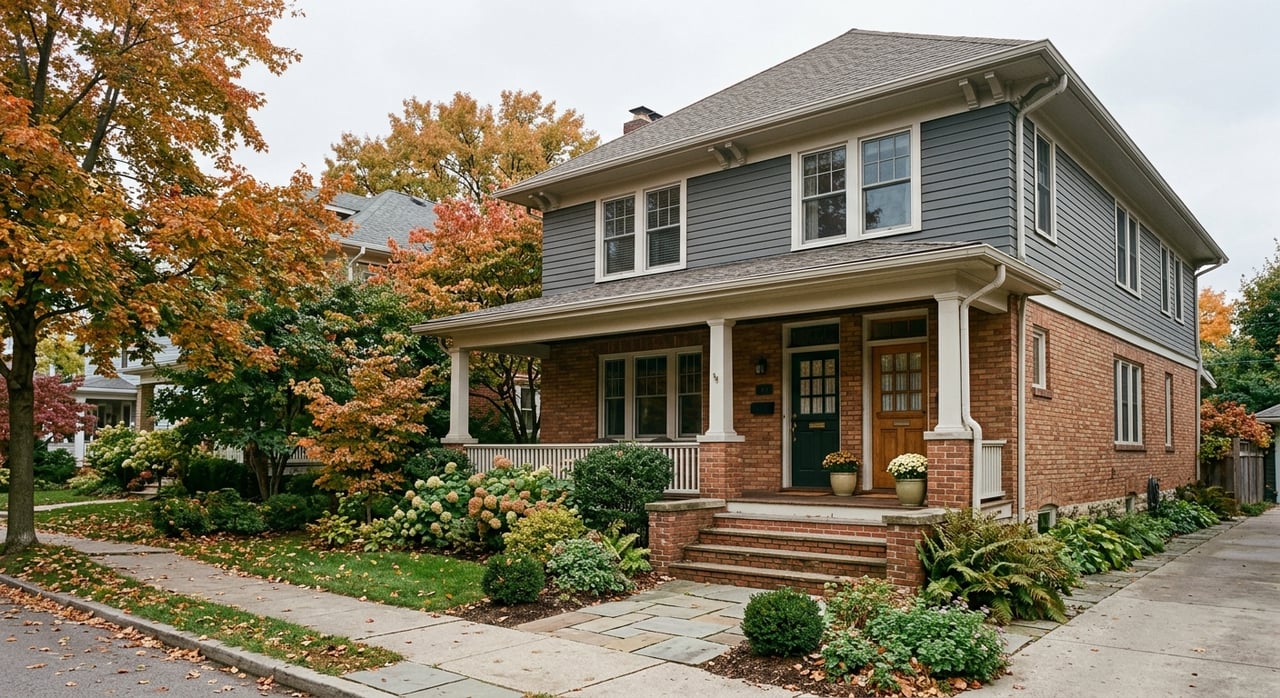
Thinking about buying a home in Minneapolis and having part of it help pay the bills? House hacking can be a smart way to lower your housing costs, build equity, and take your first step into real estate investing without taking on a fully separate rental property. If you want a practical look at what works in Minneapolis, what rules matter, and what to check before you buy, this guide will help you move forward with more confidence. Let’s dive in.
Why house hacking works in Minneapolis
Minneapolis can be a practical market for house hacking because it is a majority-renter city. The City of Minneapolis reports that about 89,000 households rent their homes, which can support demand for smaller rental arrangements where you live on-site and rent out part of the property.
That said, the city is not a market where you want to make assumptions. Minneapolis zoning is property-specific, and each parcel has both a primary zoning district and an overlay district. Before you count on any strategy, you need to confirm the property’s allowed use through the city’s zoning map and materials.
What house hacking means
At its core, house hacking means you live in the property while using part of it to generate income. That income may come from other units in a small multifamily building, an accessory dwelling unit, or a roommate setup in a single-family home.
For many buyers, the appeal is simple. You are combining a primary residence with an income-producing asset, which can help offset monthly costs while you build ownership over time.
Best Minneapolis house-hack options
Duplexes to fourplexes
A duplex, triplex, or fourplex is the classic house-hack setup. You live in one unit and rent the others, which gives you a clearer separation between your living space and your rental space.
This option also lines up with how Minneapolis regulates smaller multifamily properties. The city has specific guidance for converting single-family homes into duplexes or triplexes, and duplexes, triplexes, and fourplexes require a change-of-ownership inspection when sold.
Financing can also look different for this property type. For 1-to-4-unit homes, loan structure and limits may differ from a single-family purchase, and FHA financing may be available for eligible 1-to-4-unit properties with down payments as low as 3.5%.
Single-family home with roommates
If you want a simpler entry point, buying a single-family home and renting rooms to roommates may be the easiest path. Minneapolis does not require a rental license for roommates when the owner occupies the property.
Even so, you still need to pay attention to local rules. Housing Maintenance and Zoning Codes can limit how many roommates are allowed, so this is another area where you should verify the details before you buy.
Accessory dwelling units
An accessory dwelling unit, or ADU, can be another live-in investment option. In this setup, you may live in the main home and rent the ADU, or in some cases use an internal ADU arrangement if the property qualifies.
Minneapolis requires an ADU application and a building permit. For internal ADUs, the owner must record an owner-occupancy covenant before the permit is issued, and some neighborhoods allow only one home on a lot with detached ADUs and certain other development types as exceptions.
Why legal use matters more than low price
The most appealing house-hack property is not always the cheapest one on the market. In Minneapolis, a better candidate is often a property with a legal unit count, a layout that supports privacy, and compliance needs that feel manageable.
That matters because your real costs may include more than the purchase price. If you need to fix code issues, pursue permits, or rework a layout to make the property function as intended, the lower list price may not be the bargain it first appears to be.
Minneapolis rules to check before buying
Zoning and overlays
Start with zoning. Every parcel should be checked for its zoning district and any overlay district rules, then matched against your intended use.
If you are considering a conversion project, verify that the strategy is allowed before you write an offer. This is especially important if you hope to add units, create an ADU, or shift a home from owner-occupied use into a rental setup.
Rental license requirements
In Minneapolis, rental licensing rules are a major part of house-hack due diligence. If the owner is not occupying a dwelling unit, the city requires a rental license, even if no rent is paid or the occupant is a relative.
Rental licenses do not transfer to a new owner. After a rental property changes hands, the new owner must apply for a rental license within 60 days of closing, and fees are due March 1 each year.
The city also states that vacant units advertised for rent need a license. In licensed rentals, the rental certificate and the Who to Call poster must be posted in a conspicuous place.
Inspections after closing
Inspections can affect your timeline and budget. Minneapolis requires a change-of-ownership inspection for all duplexes, triplexes, and fourplexes.
If a formerly owner-occupied single-family home is converted to rental use, the city treats that as a conversion inspection. That is important to understand if your plan involves changing how the property will be used after purchase.
Security deposit rules
If you become a landlord, security deposit handling matters. Minneapolis caps security deposits at one month’s rent, with a limited exception in certain referral situations.
After move-out, the owner must return the deposit or provide a written explanation within 21 days after the tenant moves out and gives a forwarding address. This is a basic but important part of managing a compliant rental.
New renter disclosures
As of March 1, 2025, Minneapolis requires new renter disclosures before lease signing. These disclosures include the name and physical address of a real person responsible for the rental, the property’s rental-license tier status, any open violations, and an overview of garbage, recycling, and organics handling.
For a first-time house hacker, this is one more reason to think of the property as a small business as well as a home. Good planning before closing can make the transition much smoother.
Nonpayment and repairs
Minneapolis requires a 30-day pre-eviction notice before filing for nonpayment of rent. Minnesota law also places repair and habitability responsibility on the landlord.
That does not mean house hacking is overly complicated, but it does mean you should be prepared for owner responsibilities from day one. Clear expectations and a realistic management plan matter.
Short-term rentals are different
Some buyers assume they can buy a property, live there, and rent space on a short-term basis if long-term leasing does not work out. In Minneapolis, short-term rentals follow a separate regulatory path.
The city requires registrations and licenses for certain short-term rentals, along with a management plan, liability insurance, neighbor notification, and a floor plan. Owners are also limited to one short-term rental property in addition to their homesteaded property.
Financing and budgeting for a house hack
House hacking works best when you underwrite the property conservatively. Instead of assuming rent will solve everything, build your budget around the full carrying cost.
That means looking at mortgage payment, property taxes, insurance, owner-paid utilities, maintenance, turnover costs, licensing costs, and a vacancy buffer. The goal is to make sure the property still feels manageable if rent is lower than expected or a unit sits vacant for a period.
Minnesota Housing programs
If you are a first-time buyer, Minnesota Housing may be worth reviewing as part of your financing plan. The Start Up program is for buyers who have not had an ownership interest in a principal residence in the last three years.
Both Start Up and Step Up require owner occupancy. The current program information lists downpayment and closing-cost assistance options up to $18,000 overall, with Step Up showing up to $14,000 in one loan option and purchase-price limits up to $659,550 in the 11-county metro area.
Homestead status in Hennepin County
If you plan to live in the property, homestead status may help reduce property taxes. Hennepin County states that residents may qualify if they own the home in their own name, live there year-round, and apply by December 31.
This is an easy item to overlook, but it can make a meaningful difference in your carrying costs over time.
A smart due-diligence checklist
Before you make an offer on a Minneapolis house hack, verify the basics carefully:
- Confirm the zoning district and any overlay rules
- Match your intended use to what the parcel allows
- Verify legal unit count and current occupancy setup
- Ask whether the property will require change-of-ownership or conversion inspection
- Review likely permit items for any planned improvements
- Check whether an ADU, layout change, or conversion is realistically approvable
- Build a budget that includes taxes, insurance, utilities, maintenance, licensing, and vacancy
- Confirm financing eligibility with your lender
- Confirm lease language, tax treatment, and legal obligations with the appropriate professionals
For conversion projects, Minneapolis lists common permit-related topics such as ADUs, basement finishes, carbon-monoxide alarms, smoke alarms, egress windows, and certificate-of-occupancy requirements. Those details can shape both your renovation budget and your timeline.
How the right guidance helps
A strong house-hack purchase is part real estate decision and part planning exercise. You are not just buying square footage. You are evaluating allowed use, layout function, compliance risk, financing fit, and long-term flexibility.
That is where local guidance matters. When you work with a team that understands both property positioning and practical due diligence, you can better identify which opportunities have real potential and which ones may create more friction than value.
If you are exploring live-in investment options in Minneapolis and want help evaluating the numbers, the property type, and the local considerations, connect with The DesMarais Team for a consultation.
FAQs
What is house hacking in Minneapolis?
- House hacking in Minneapolis usually means buying a home, living in it, and renting out part of the property, such as another unit, an ADU, or bedrooms to roommates.
Do you need a rental license for roommates in Minneapolis?
- Minneapolis says a rental license is not required for roommates if you occupy the property, but Housing Maintenance and Zoning Codes still limit how many roommates are allowed.
Can you house hack a duplex in Minneapolis?
- Yes, many buyers house hack by living in one unit of a duplex, triplex, or fourplex and renting the other units, but you should verify zoning, inspections, and licensing requirements for the specific property.
Are ADUs allowed for house hacking in Minneapolis?
- ADUs can work for house hacking in Minneapolis, but they require an application and building permit, and internal ADUs require an owner-occupancy covenant before the permit is issued.
What should you verify before buying a Minneapolis house hack?
- You should verify zoning, overlay rules, legal unit count, inspection requirements, permit needs, financing fit, expected carrying costs, and any lease or tax questions before moving forward.
Can you use first-time buyer programs for a Minneapolis house hack?
- Minnesota Housing states that its Start Up and Step Up programs require owner occupancy, so they may fit some house-hack purchases if you meet the program guidelines.